The anti-vaccination movement has become a global health and public health epidemic. It has brought back diseases such as the measles from almost complete eradication. In response to the increasing prevalence of the anti-vaxx movement. The Center for Disease Control and Prevention has developed an initiative “Vaccinate with Confidence” to strengthen the confidence in parents to vaccinate their children. The program has three major priorities:
- Protect Communities
- Empower families
- Stop Myths
In these priorities the CDC is working with major partners to reinstall confidence into people in regards to vaccines. The most important one is Stop Myths. It is myths and disproven research articles that piloted the anti-vaxx movement causing it to spread like a wildfire. The myths need to be eliminated in order to regain trust of those who refuse to vaccinate themselves and their children. It is only until the fear of vaccinations is removed, that we can fully eradicate the diseases that were once almost gone.
Why we cannot believe everything on the internet!
Yes, this is a blog post on the internet. It is up to you as a reader to analyze and determine the truth in my posts. But always take everything posted in on the internet with a grain of salt. Social media is one of the most dangerous developments of this generation. It allows information to be spread without a check for accuracy or accreditation. It is how the anti-vaxx movement spread fast and efficiently. People are quick to believe personal stories rather than do research in scholarly journals. Opinionated posts about the linkage to autism and vaccines and parents sharing their stories on why they do not vaccinate their children only added oil to the fire of the anti-vaxx movement.
Now social media platforms are taking control and charge of the situation. Instagram has blocked potent hashtags such as #vaccinescauseaids and it will began to ban more hashtags associated with misleading information. However people have become creative with hashtags to avoid the bans with hashtags such as #vaccineinjuryawareness. This lead Instagram to develop a pop-up that would appear on content containing vaccine misinformation. YouTube has removed ads from anti-vaccination videos, which means the videos will not make any more. Twitter has enabled the search result for vaccine related to topics to be linked to the Department of Health and Human Services first.
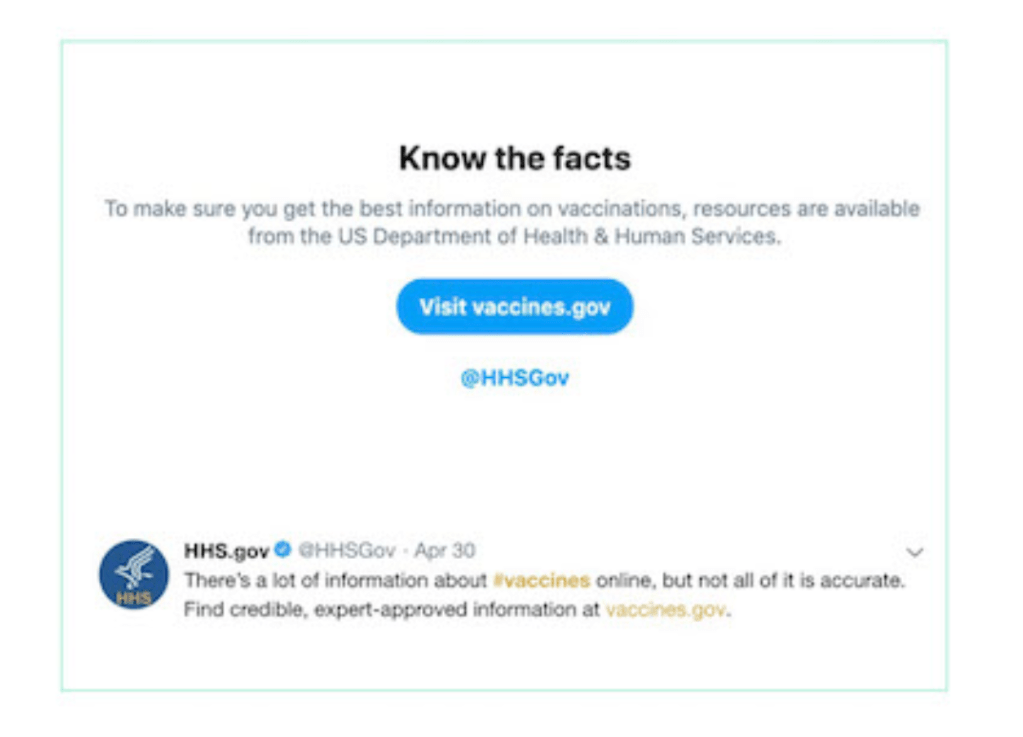
Although people should not be going to social media for research on vaccines it is considered a primary news outlet for the upcoming generations. This causes an increased gap between where scientific information is and where the public is going for information. It is important to close that gap. Major health organizations are now developing social media campaigns and platforms to spread correct and proven information to the masses in order to combat the false claims and exaggerations of the anti-vaxx movement.
The CDC will begin to work with social media companies to promote correct vaccine information. Its goal is to engage with the companies to contain the spread of misinformation and ensure the proper information is being shared. The CDC is fighting the anti-vaxx movement with grassroots initiatives and word of mouth publicity the same way the anti-vaxx movement got its wind.
A Final Note:
Think before you speak and think before you post because you never know who will take what you say to heart.

 The Good, The Bad, The Microbiome